Understanding Timber Cladding
Timber cladding refers to the application of timber boards or panels to the exterior walls of a building. This practice not only serves a protective function but also enhances the overall aesthetic appeal of a home. By acting as a buffer against environmental factors, timber cladding protects the underlying structure from moisture ingress and temperature variations, ultimately contributing to the longevity of the building. Additionally, it provides a natural, warm look that blends well with various architectural styles.
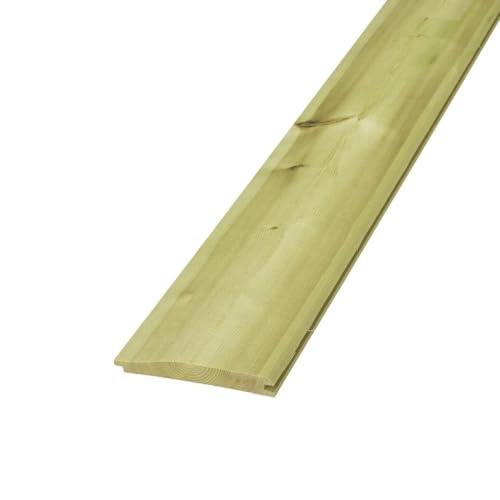

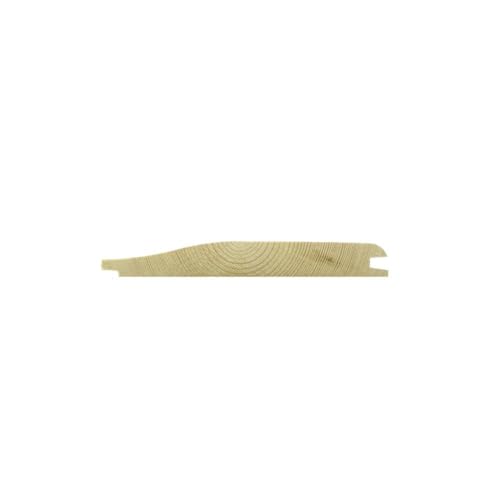
Timber cladding can be applied in various orientations, with horizontal and vertical installations being the most common. Horizontal cladding offers clean lines and a modern appearance, often making spaces appear wider. On the other hand, vertical cladding can create a sense of height, which is particularly beneficial for smaller structures. Understanding these different applications is crucial when choosing the right timber cladding for a particular project.
When selecting timber cladding, there are multiple types of wood to consider, including softwoods like cedar and pine, and hardwoods such as oak and teak. Each type has unique properties and characteristics, influencing factors such as durability, maintenance requirements, and price. For instance, cedar is renowned for its resistance to decay and pests, making it an ideal option for outdoor applications.
Key terminology in timber cladding may include terms like “profile,” which refers to the shape of the cladding board; “tongue and groove,” a method of joining timber that provides a seamless appearance; and “weatherboard,” a style that overlaps the boards for improved weather resistance. Understanding these terms and their implications will enable homeowners and builders to make informed decisions when selecting timber cladding for their homes.
Factors to Consider When Choosing Timber Cladding
When selecting timber cladding for your home, various critical factors must be taken into account to ensure that the material aligns with your specific requirements. One of the primary considerations is the climate of your location. Different types of timber have varying levels of resilience against moisture, temperature fluctuations, and other environmental challenges. For instance, in areas prone to high humidity, opting for naturally resistant species like cedar or redwood can mitigate the risk of rot and decay.
Building regulations also play a pivotal role in your choice of timber cladding. Local codes may dictate specific materials or techniques to ensure safety and compliance with fire and weather-resistant standards. It is advisable to consult with a professional to ascertain any regulations applicable in your vicinity before making any purchasing decisions. Ignoring these guidelines can lead to unnecessary complications and financial setbacks in the long run.
Maintenance requirements represent another crucial factor. While timber cladding provides an appealing aesthetic, it does require regular treatment to maintain its durability and appearance. Some woods demand less maintenance than others, thus affecting your long-term costs and labor. For instance, pressure-treated wood or species with inherent oils may need less frequent staining or sealing than untreated alternatives. Additionally, consider your personal style preferences, as the choice of timber should ideally complement your home’s architectural design and your individual taste. The final selection should not only serve a functional purpose but also enhance the overall visual appeal of your property.
Types of Timber for Cladding
Timber cladding offers a unique aesthetic appeal and natural insulation properties to any home. When considering timber for cladding, several options stand out, each with its own characteristics, advantages, and disadvantages.
Cedar is one of the most popular choices due to its exceptional durability and resistance to decay and insects. Known for its rich aroma, cedar can add a distinctive look to your home. Its natural oils prevent rot and repel pests, making it an ideal option for various climates. However, cedar tends to be more expensive than other timber types, which may be a consideration for budget-conscious homeowners.
Larch is another excellent choice, particularly favored for its strength and longevity. This timber is naturally resinous, providing a level of resistance to moisture and decay. Larch develops a beautiful silver-grey patina over time, which many homeowners find appealing. Nevertheless, it requires regular maintenance and treatment to preserve its appearance and extend its lifespan.
Pine is often viewed as a cost-effective solution for timber cladding. This readily available timber species can be pressure-treated for increased durability and resistance to pests and environmental factors. Though typically less expensive, untreated pine may be more susceptible to rot and insect damage, necessitating periodic maintenance. Therefore, while pine can fit tighter budgets, it may incur additional costs over time due to maintenance needs.
Ultimately, the timber you choose for cladding should align with your aesthetic preferences, maintenance capabilities, and budget considerations. Understanding the attributes of each type will assist in making an informed decision that best suits your home’s demands.
Installation and Maintenance Tips
When considering the installation of timber cladding, meticulous preparation is essential to ensure successful application and durability. First, assess the condition of your underlying structure, ensuring it is clean, dry, and free of rot. It is recommended to install a moisture barrier between the timber cladding and the underlying surface, which serves to protect the wood from dampness and mold. Additionally, incorporating insulation during the installation process can significantly enhance your home’s energy efficiency and acoustic performance.
In terms of fixing the boards, it is crucial to allow for proper ventilation between timber boards. Spacing them adequately minimizes moisture retention, which can lead to warping or decay. Typically, a gap of around 5 to 10mm is advised. Use stainless steel or galvanized screws to affix the boards, as they are resistant to corrosion and ensure longevity. Pilot drilling before fastening can prevent splitting of the timber, providing a cleaner and more secure installation.
Once installed, regular maintenance of your timber cladding is paramount. To enhance its lifespan, clean the surface periodically with a mild, non-abrasive detergent to remove dirt and debris. It is crucial to treat the wood against moisture penetration and pest infestations. Consider applying a high-quality wood preservative every few years to seal the timber effectively. Additionally, monitor for signs of wear, such as fading or peeling of finishes, which may indicate the need for re-staining or oiling.
Incorporating these maintenance practices not only preserves the aesthetic appeal of the timber cladding but also underlines its functional attributes, ensuring that your home remains protected against the elements for years to come.